Today, Uzbekistan celebrates Uzbek Language Day. The Uzbek language, part of the large Turkic language family, is one of the oldest and most widely used languages in the world. It is now widely spoken in more than 20 countries around the world and is spoken by about 50 million people.
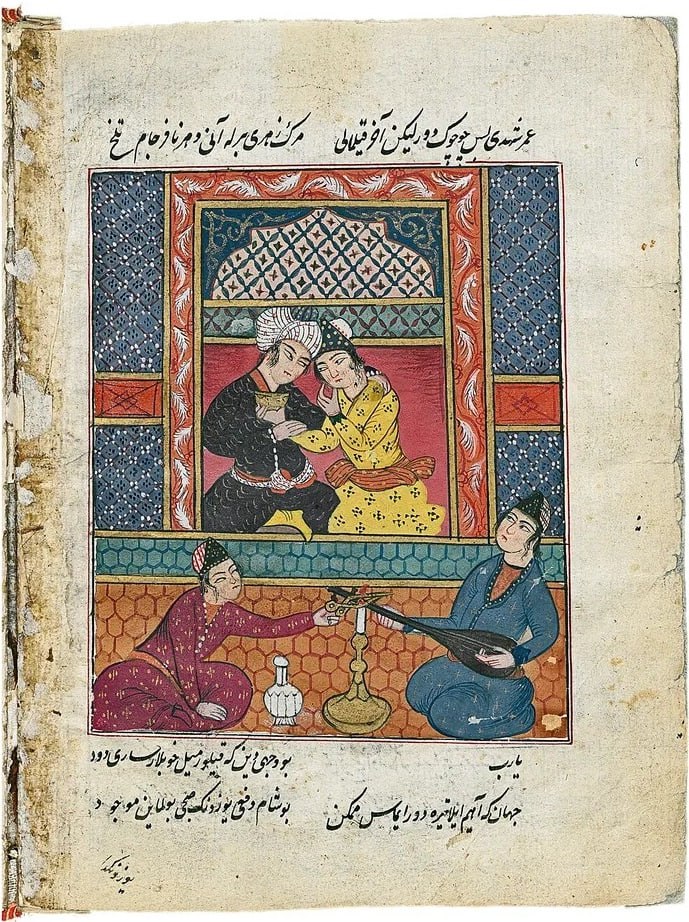
One of the stages in the formation of the modern Uzbek language was the development of Old Uzbek, or Chagatai. The Chagatai language spread widely in the Timurid appanages of Maverannahr in the 15th century and in the Bukhara Khanate during the reign of the Uzbek Shaybanid dynasties in the 16th-18th centuries. Formed in the Chagatai ulus, the written Turkic language of the 15th and early 16th centuries was called Turkic or Chagatai Turkic by contemporaries, and later in some sources it became known as “Chagatai”. The Chagatai language was distinguished by its euphony, high level of artistic expressiveness, and terminological completeness. It was used as a literary language by such cultural figures as Navoi, Babur, Mashrab, government officials, and historians of the region. Until the establishment of Soviet goverment, the Chagatai language was the main written and literary language of the Uzbek and Uyghur peoples.
🖼 Fragment of a Chagatai manuscript from the Berlin State Library